Hypothetical restoration | ceremonial purpose only
Royal Council Nepal
A ceremonial heritage institution if established again
This concept is framed as an informational what-if: a non-executive, non-legislative, and non-judicial council respecting the Constitution of Nepal, the current federal democratic republic, and the sovereignty of the nation.


Royal Council Nepal
A Ceremonial & Heritage Institution
What If Established Again?
A hypothetical, non-executive body envisioned solely for ceremonial honors, cultural stewardship, education, and national heritage — respecting the Constitution of Nepal, the Republic, and the sovereignty of Nepal.
Honors, observances, and national symbolism.
Safeguarding history, arts, and traditions.
Inspiring unity, service, and national pride.
Deep respect for the Constitution and democratic institutions.
Honours, observances, cultural patronage, and national symbolism.
Safeguarding archives, memory, traditions, arts, and language.
Community service, learning, and civic participation without executive control.
Deep respect for democratic institutions and the current sovereignty of Nepal.
Any future discussion must remain inside Nepal's constitutional order and public law.
What if established again?
A ceremonial institution, not a state branch
The page keeps the content themes intact while reframing them as a hypothetical public-interest concept that does not interfere with the republic, law, sovereign institutions, or the Constitution of Nepal.
Ceremonial role
Formal observances, public messages, and symbolic continuity only.
Constitutional respect
Everything must remain aligned with the Constitution of Nepal and current law.
Cultural stewardship
Support for heritage sites, rituals, language, arts, and living traditions.
National unity
Inclusive symbolism that reinforces civic trust, not division or power concentration.
Ceremonial role
Useful without governing
This content stays within a respectful boundary: public service, heritage, and civic meaning without executive authority.
What it can do
- Ceremonial honors and observances
- Heritage preservation and archive support
- Cultural education and public memory
- Community service and volunteer encouragement
- Neutral messages about unity and responsibility
What it cannot do
- No political authority or party power
- No executive orders or administrative control
- No legislative or judicial role
- No command over security forces or budgetary law
- No action that conflicts with sovereignty or the constitution
How it can help
Practical benefits in a ceremonial frame
The hypothetical value is not control. It is continuity, shared memory, and a formal channel for culture and public service.
Heritage
Protect monuments, stories, rituals, manuscripts, and institutional memory.
Authority
Use formal ceremony to reinforce discipline, dignity, and civic responsibility.
Unity
Promote a shared national identity across communities and provinces.
Prosperity
Support tourism, education, craft, and heritage-based local economies.
Justice
Reinforce fairness, public trust, and respect for law rather than personal power.
Heritage and culture
History, institutions, and living memory
Nepal is a federal democratic republic. Any ceremonial concept should remain compatible with the current sovereignty, institutions, and legal framework.

Ceremonial identity
A formal visual system based on the logo palette: maroon, gold, cream, and white.

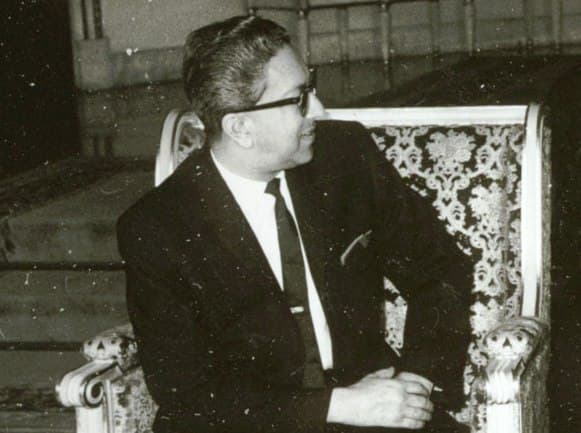
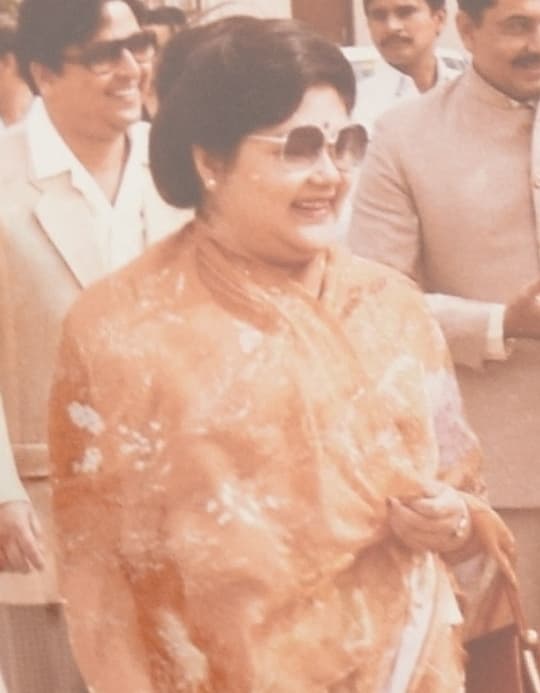
Heritage portraits
Kept as historical and cultural references, not as claims of current power.

Continuity and dignity
Used to express memory, ceremonial protocol, and public-facing heritage.
Subpages for deeper reading
Explore the full picture
Cards that open focused pages instead of forcing everything into one page.
Additional reference pages
Factual pages grounded in the Constitution
These pages expand the site with legal and civic context while preserving every existing section.
Why the Constitution of Nepal comes first and how ceremonial limits follow from it.
02Constitution in Plain LanguageA clear explanation of sovereignty, rights, duties, and why power is shared.
03National SymbolsFlag, anthem, coat of arms, and emblems defined by the Constitution.
04Festivals of NepalNational observances, Terai and Madhesh traditions, Himalayan festivals, and community calendars.
05Provinces of NepalProvince-by-province identity, priorities, capitals, and development needs.
06Communities of NepalInclusive civic recognition for Nepal's diverse peoples, languages, and faiths.
07Federal GovernanceThe current federal, state, and local structure that a ceremonial institution must respect.
08FAQ & ReferencesWhy power is distributed, why the Crown is ceremonial, and where the history comes from.
Safeguards and continuity
Safe pages to add, in order
These pages stay inside the Constitution of Nepal and focus on lawful continuity, archives, integrity, reconciliation, and neutral civic support.
How a ceremonial institution can help during government change without taking power.
02National ArchivesPublic memory, digitisation, documentation, and preservation.
03Public IntegrityTransparent complaint routing, ethical standards, and support for independent bodies.
04Peace & ReconciliationNeutral dialogue and healing across communities and political camps.
05Ceremonial Head of StateHow the Crown can remain ceremonial alongside the elected President.
06Faith and Secular StateRespecting Nepal's secular Constitution while honoring religious heritage.
07Security CoordinationTransparent, civilian border and public-safety support with no shadow authority.
08Border ProtectionBorder integrity, customs support, and local coordination for communities.
09Sustainable LivingProtect nature, promote peace, and brand Nepal as a peaceful country.
Ceremonial notices
Royal address, council updates, and recent notices
A respectful editorial system for scenario notes, announcements, and public-facing updates.
Constitution Day address
A hypothetical ceremonial message that respects Nepal's republic, law, and democratic institutions.
Read the limitsCouncil meeting highlights
Heritage, governance, and national service agenda.
Heritage relief update
Support for conservation, archives, and local cultural continuity.
National youth award
Recognition for civic service, scholarship, and community leadership.
Public observances
Public observances in Bikram Sambat
A Nepali calendar view of national, civic, and cultural observances. Fixed dates are shown in Bikram Sambat; lunar observances are labeled by tithi or purnima.
Birthday of Prithvi Narayan Shah, observed in Nepal as National Unity Day.
National remembrance for martyrs of Nepal's democratic struggles.
Commemorates the 2007 BS democratic revolution that ended Rana rule.
Observed on the full moon of Baishakh; the date shifts by lunar calendar.
Transparency and participation
Digital services, publications, and public records
The resource section stays practical: laws, notices, public learning, and archives.
Citizen feedback
Share suggestions, complaints, or service issues through official channels.
Annual reports
Explore scenario notes, notices, and public updates.
Document library
Access laws, policies, public notices, and publications.
Honours and archives
Historic honours, ceremonial records, and cultural documentation.
Nepal, rooted in mountains, history, and shared identity.
Nepal is a landlocked federal democratic republic in South Asia, bounded by India and China, with Kathmandu as its capital, seventy-seven districts, and a living civic identity built from its constitution, institutions, and traditions.
Adopted on 20 September 2015; the basis of the current federal state.
Seven provinces, 77 districts, and 753 local levels across the country.
Flag, emblem, anthem, mountains, daphne, danphe, and other civic symbols.
From the Himalaya to Lumbini, Nepal's heritage spans sacred landscapes and cities.
About at a glance
Nepal at a glance
Nepal is a landlocked country in South Asia with deep cultural diversity, Himalayan geography, a federal constitution, and a public life shaped by ancient traditions and modern institutions.
Federal democratic republic
Nepal's Constitution was adopted on 20 September 2015. The country has seven provinces, 77 districts, and 753 local levels.
Capital and language
Kathmandu is the capital. Nepali is the official language, used in government and daily civic life.
Population
According to the 2021 census, Nepal's population was 29,164,578.
Geography and symbols
Mountains, hills, and the Terai define the landscape, while the flag, emblem, anthem, rhododendron, and cow remain national symbols.
Constitution and institutions
How Nepal is governed today
Nepal's state is structured around the Constitution, federal institutions, and elected governments at federal, provincial, and local levels.
Sets the current federal structure and the rights framework.
Federal structure and sovereigntyExecutive, legislature, and judiciary work as the constitutional core.
President, Prime Minister, Parliament, Supreme CourtUnification, monarchy, and republic transition.
Prithvi Narayan Shah to the federal republicFederalism, rights, and democratic continuity.
Federal, provincial, and local governmentsArchives and calendar
Historical record, observances, and public memory in Nepali dates
These observances are written in the Nepali calendar format used in Nepal, so the site matches local public memory rather than importing a foreign calendar frame.
Marks the declaration of Nepal as a republic on Jestha 15, 2065 BS.
Commemorates the promulgation of the Constitution of Nepal on Asoj 3, 2072 BS.
Commemorates the 2007 BS revolution that ended Rana rule and restored civil liberties.
Celebrates the birth, enlightenment, and passing of Gautama Buddha on the full moon of Baishakh.
Citizen engagement
Public dialogue, transparency, and digital services
A civic digital layer for feedback, publications, archives, and government services.
Contact and public feedback
Share suggestions, contact offices, and review public notices through official channels.
Government services
Passport, national ID, tax, immigration, and land driving services are commonly used digital entry points.
Publications and transparency
Budgets, annual reports, laws, policies, and open data help public accountability.